A once in a generation story, narrated in a once in a generation voice.
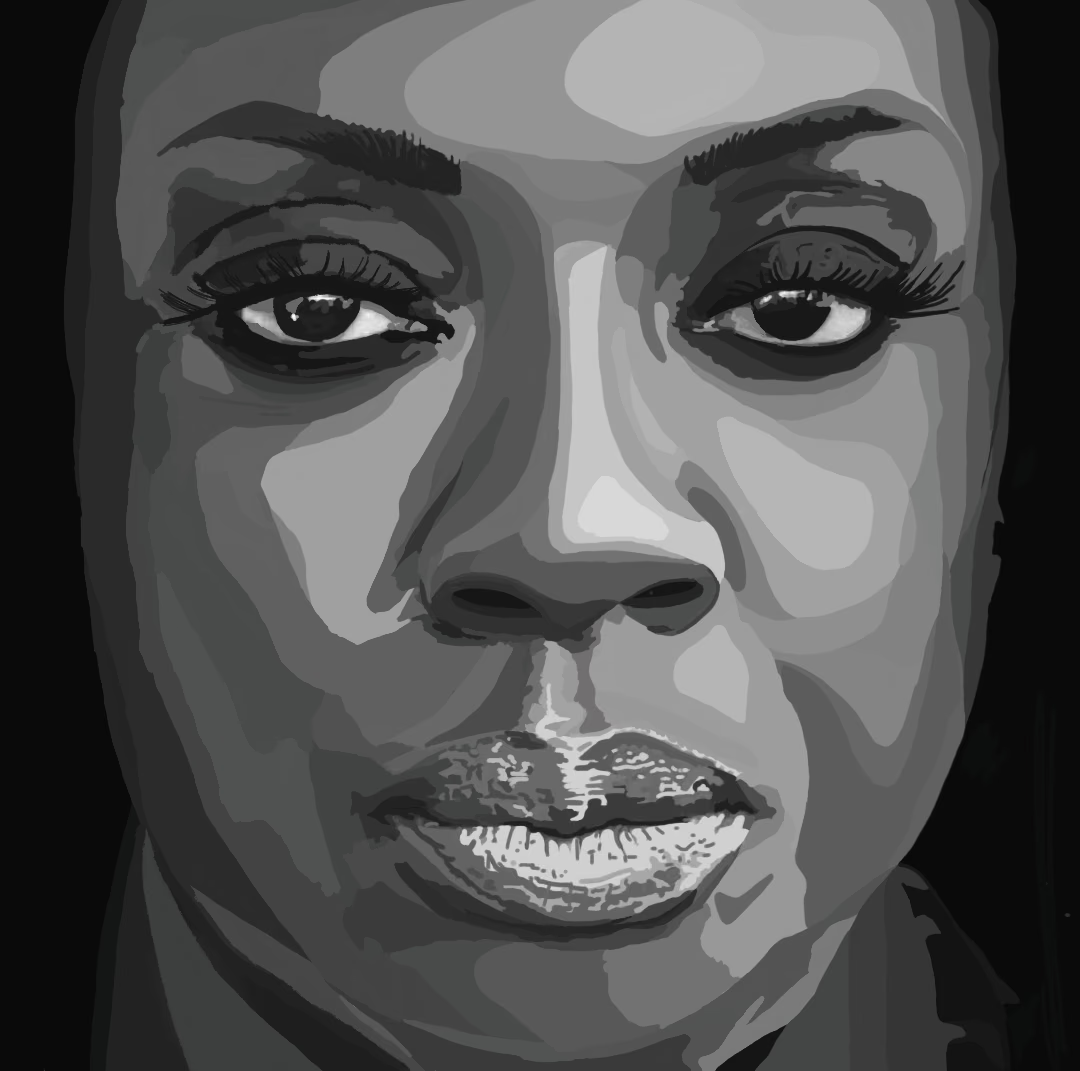
“The purpose of life is to live it. The purpose of life — is to live it.”
I was on a bus an hour away from my place when I heard this line in her voice for the first time, and it stopped me cold. Ramdhari Singh Dinkar, one of my favourites, wrote something similar I grew up hearing: "Jeevan ka antim dhyey swayam jeevan hai" — “the ultimate purpose of life is life itself.” Two people, two worlds apart, arriving at the same truth. I felt that convergence and immediately knew this book was something special.
I have always loved Davis’ work in films. I would talk about her work in that domain, but there is no praise I could give that hasn’t already been given. This book gave me a newfound respect for the person behind the performances. She had a painful childhood — poverty, domestic violence, instability — and she does not run from any of it.
What struck me again and again was how she writes about her family not with bitterness, but with a kind of aching clarity:
“As much as I wanted my life to be better, the only tools I had to navigate the world were given to me by them. How they talked. How they fought. How my mom made concessions. How they loved and who they loved shaped me.”
Yet, as justified as it would have been, Viola Davis didn’t settle for passive survival. I especially loved the selflessness and care that reflected in her relationships with her sisters. This is only made more impressive by the fact that she and her sisters made so much out of nothing:
“I held on to what I had, all that I had, the team effort with my older sisters. That preserved me. We were a girl-posse, fighting, clawing our way out of the invisibility of poverty and a world where we didn’t fit in. We were survivors.”
The book reflects, more than anything, how art can save a life. The moment she commits to acting is one of the most quietly powerful in the memoir:
“The cure was courage. The courage to dare, risking failure. I decided I was going to be a theater major and I was going to be an actor.”
I loved this part. We already know, of course, where that decision eventually takes her. Still, hearing her talk about making it when there was absolutely no guarantee that it would work out made me appreciate her career even more.
What makes the book formally interesting is the way Davis shifts between two narrative registers. In certain passages she is almost detached, observing her own story from the outside looking in. In others, it feels as though the Viola from that exact moment in time — that exact age — is speaking directly to you. I found myself dissociating while listening, not because the story felt distant, but because the opposite was true. Small, specific experiences kept pulling me back into my own life, into memories I hadn’t thought about in years. That is the mark of a memoir that is doing something beyond recounting events.
And then there is her voice. I am beyond grateful I listened to the audiobook instead of reading it. Viola Davis reading her own life is an experience in itself. There are parts I genuinely don’t think would have affected me as much if I had read them in my own voice. She won a Grammy for the audiobook, and yeah, entirely deserved.
The book closes where it begins:
“My biggest discovery was that you can literally re-create your life. You can redefine it. You don’t have to live in the past. I found that not only did I have fight in me, I had love.”
And eventually I heard the words that had stopped me on that bus again.
“The purpose of life is to live it. The purpose of life — is to live it.”
I had spent the entire book getting to know the life behind that sentence by then. Somehow, hearing it again made me think of Dinkar, and of all the times I’d had him quoted to me — after every failure, every disappointment, every heartbreak — in the quiet aftermath of things that hurt. Reading it here, at the end, internalized it for me in a way it hadn’t in twenty years. I’ll always be grateful I stumbled upon this one randomly on Libby.
A once in a generation story, narrated in a once in a generation voice.
Next Article
