A book about unlived lives, and what we do with the regrets.
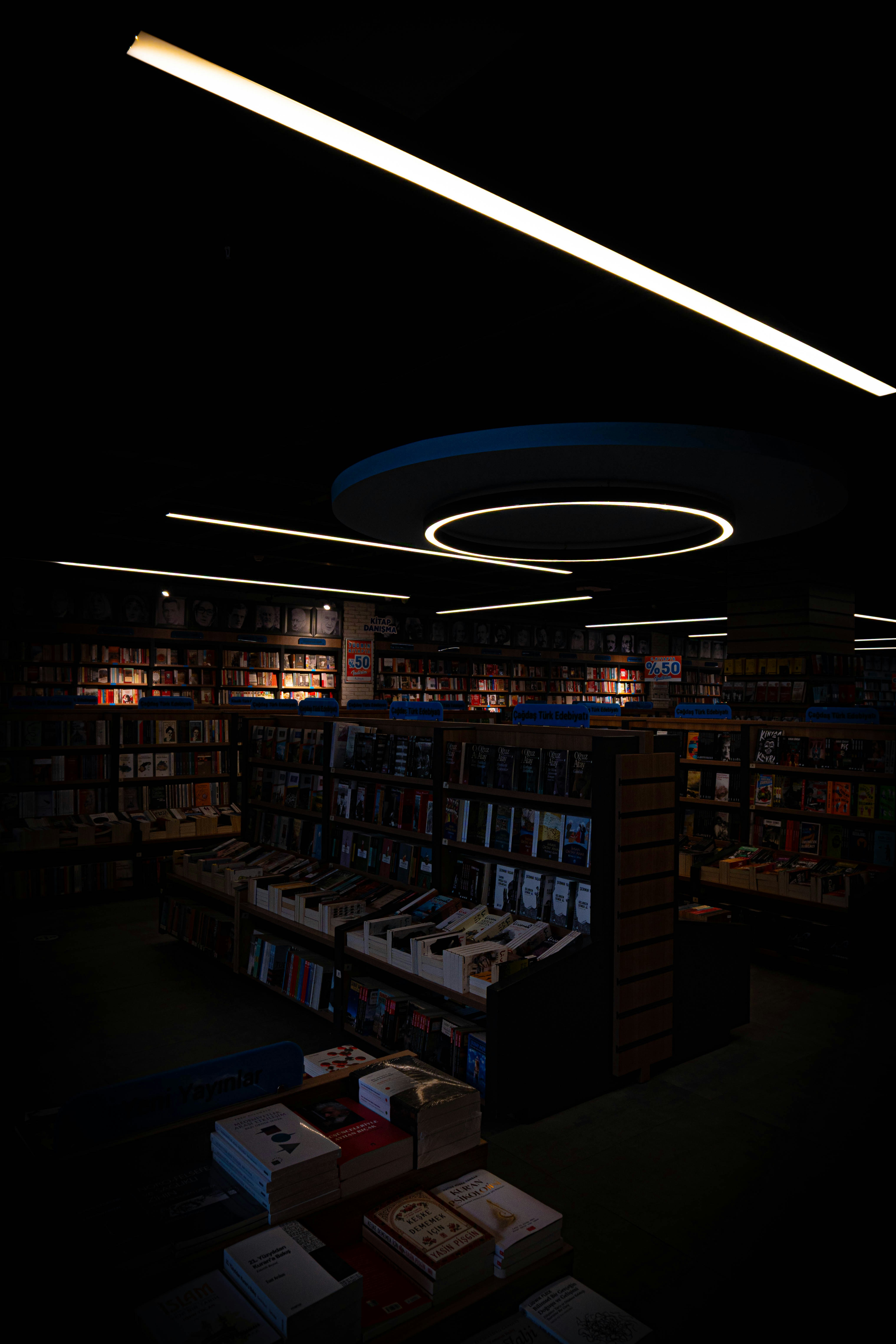
The book starts off with a Sylvia Plath quote that I dearly love. It was when I saw it that I realized this book may just answers a few questions of mine. I was dreading the prospect of having to choose the field I'd do my degree in at the time. There is a specific grief in being a person with too many interests and not enough lifetimes. I think a lot of us feel it and don't have a name for it. This book comes close to naming it.
The book's protagonist is Nora Seed, a 35 year old woman who has "ended up nowhere" in life and regrets many of her life decisions. Just when she's decided to give up on life, she finds herself in the Midnight Library. It's a library that exists in the space between life and death, run by a woman named Mrs. Elm, Nora's old school librarian, who is warm and patient in the way that only the best kind of adults in our childhoods ever were. The library gives Nora the choice of making a different decision at each point in the past, and living out how she would be living if she had made it.
What I loved especially was that the lives Nora steps into are not fantasies. They are real and complicated and imperfect in their own ways. In each life she is looking for that feeling of rightness, of having reached where she was meant to be. She doesn't usually find it. The lives she imagined turn out to carry their own particular weight of grief. That felt genuine to me in a way that a lot of feel-good books don't manage.
The book starts off slow and builds the main plot. Kind of in the middle of the story I had started feeling disappointed — not because the book was less than what I had expected, but because the story was different to what I had expected. By the end though, I was glad the story was the way it was. Authentic, hopeful, fantastic, and somehow still humorous.
Nora stays in the 00:00 time for quite a while, and lives out the lives she would have lived had she made a different decision at a different point in her life. We as readers see her Book of Regrets get lighter and lighter. It is satisfying to read that unburdening of regrets for her. There is also something in it about how our regrets are often not about what we did, but about what we didn't do. The chances we didn't take. The people we didn't stay for. Nora had so many of those and I think anyone who has ever stood at a crossroads and chosen "wrong" (or felt like they did), will recognize something of themselves in her.
Reading Nora Seed's development was like watching a flickering and barely alive candle flame become a blaze that burns when there is enough air around it. I also loved the metaphorical uses of chess so much:
"The game is never over until it is over. It isn't over if there is a single pawn still on the board. If one side is down to a pawn and a king and the other has every player, there's still a game. And even if you were a pawn — maybe we all are — then you should remember that a pawn is the most magical piece of all. Because a pawn is never just a pawn. A pawn is a queen-in-waiting. All you need to do is find a way to keep moving forward. One square after another. And you can get to the other side and unlock all kinds of power."
The ending of the book — I won't say what happens — but it made me think about something the book quietly argues the whole way through: The life we are already living contains more than we give it credit for; that we are so busy grieving the unlived lives that we forget to actually inhabit the one we have.
I'll probably feel differently about this book when I am older; but when I read it in 2022, it did help me cope with my experience of Plath's Fig Tree analogy.
Next Article