Beauty Is Fleeting. Portrait-Based Corruption Is Forever.
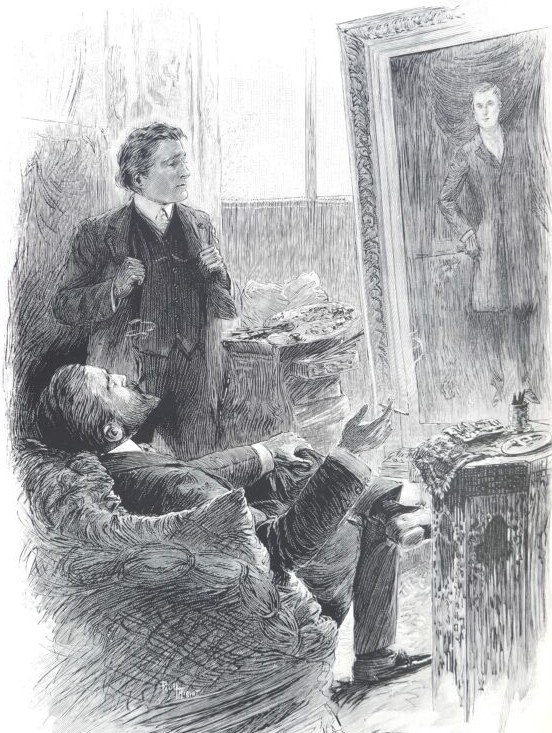
The only novel written by the prolific playwright and essayist Oscar Wilde, The Picture Of Dorian Gray remains one of the most celebrated works in English literature, and its singular existence in his countless bodies of work is itself considered a great tragedy by literary enthusiasts. The fact that Wilde devoted himself to just one novel makes The Picture of Dorian Gray feel all the more precious. Interestingly, I had encountered Wilde before through a short story in a school textbook; it was something light and almost whimsical. Nothing quite prepared me for how serious and dark this would be. Talk about range.
The premise is deceptively simple: Dorian Gray, a young man of extraordinary beauty (they casted Ben Barnes as Dorian in the 2009 adaptation), falls under the influence of the silver-tongued Lord Henry, who convinces him that youth and appearance are life's greatest currencies. Consumed by the fear of losing both, Dorian unintentionally makes a deal with the devil: his portrait will bear the marks of his age and moral decay in his place, while he forever remains as he is. What follows is a descent into hedonism and, eventually – crime.
I'll admit the opening was slow for me. I started the book in July, crawled through six chapters, and then abandoned it for months. My desire to go back to reading it was so little that I ended up reading eighteen other books in between before finally returning and finishing it in four or five days. The early chapters are dense with conversation and what seemed like inconsequential detail, which tested my patience considerably. But in hindsight, that slow pacing proves essential. Wilde constructs his world with such care that when the plot begins to darken, nothing feels sudden or contrived. While I could not predict what would happen next, nothing seemed to come out of the blue. Every seemingly idle exchange earns its place, and it gives way to a beautifully constructed and well-executed plot.
My most favourite element of the novel is the characterisation of Lord Henry. Wilde writes him with such eloquence and philosophical glamour that I found myself getting seduced by his rhetoric along with Dorian, even while recognising him as a corrupting force from the excerpt printed at the back of the book. His words carry the intoxicating weight of wisdom, and I couldn't help but feel that, however selfish his worldview, he at least spoke with conviction and authority. There's a particular kind of charm in someone who sounds like they know everything, and Wilde captures it perfectly.
That illusion is devastatingly dismantled in the novel's final (and probably my favourite) chapter, during Lord Henry's last conversation with Dorian. He speaks with the same charm and unshakeable confidence as always, except now — about things we know to be false. The spell breaks completely. What once sounded like brilliant, if morally questionable, insight is revealed to be elaborate bluffing dressed in fine language. It was the moment I realised, probably alongside Dorian, just how ignorant Lord Henry truly was, and to what degree he had simply been performing wisdom all along. It's a quietly devastating scene for Dorian, and arguably the emotional climax of the entire novel, although nothing entertained me quite as much as this eye-opening last conversation.
Lord Henry is, paradoxically, my favourite character in the book. I beg the reader to hear me out here — it is not because I like him for anything, but because he is so precisely and dangerously written. His role in Dorian's corruption is enormous to the extent that some would say it's solitary, yet entirely casual, which makes it all the more chilling.
The Picture of Dorian Gray is a novel that rewards patience. It is gothic, philosophical, darkly comic, and deeply moral — sometimes all at once. Wilde's range is extraordinary, and that this remains his only novel is, without question, a loss indeed. If I had an inclination for reading plays, I would certainly pick up Wilde’s work before anyone else’s. Alas, that is not the case and I will have to satiate myself with his short stories and essays.